Oklahoma homeowner guide
Moles and Voles in Oklahoma Yards
Not every yard hole is an armadillo. Smaller animals such as moles and voles can create tunnels, ridges, and plant damage that homeowners sometimes mistake for larger wildlife activity.
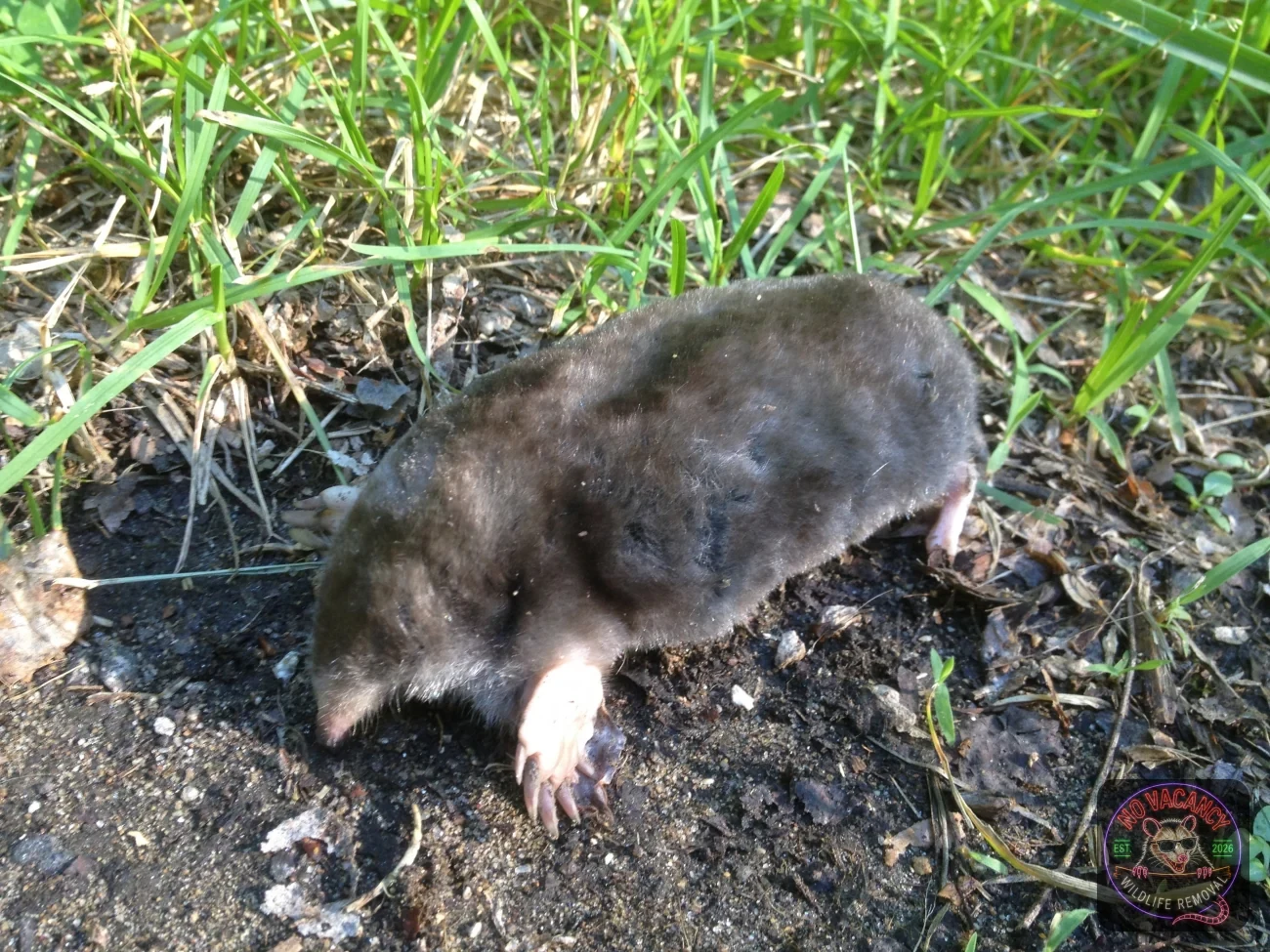
At-a-glance profile
Quick ID
- Common name
- Moles and Voles
- Scientific name
- Multiple mole and vole species
- Most active
- Varies by species and soil conditions
- Common locations
- Lawns, gardens, flower beds, soft soil, dense ground cover
- Main homeowner clues
- Raised ridges, small holes, soft tunnels, plant or root damage
- Service relevance
- Identification and prevention first; service availability should be confirmed
Common homeowner signs
What moles & voles may leave behind
Raised ridges, small holes, soft tunnels, plant or root damage are useful starting clues, especially when the timing and location line up.
- 01Raised surface ridges across a lawn
- 02Small openings close to cover
- 03Soft soil above shallow tunnels
- 04Root, bulb, or plant damage near the runways
Where they show up around homes
Moles and voles are usually yard and garden issues rather than attic visitors. Damage may cluster where soil is soft, moisture is available, and ground cover offers protection.
Behavior and seasonality
Moles are built for underground travel and often leave raised ridges. Voles use small runways and may feed on plants. The pattern matters more than a single hole.
Damage they can cause
Tunnels can disturb turf, while vole feeding may damage roots, bulbs, bark, and garden plants. Their smaller patterns differ from the larger rooting and burrows associated with armadillos.
Safe next steps
Reduce the pressure without trapping wildlife inside.
Safe prevention tips
- Keep lawn edges and dense ground cover maintained
- Identify whether the issue is tunneling, digging, or plant feeding
- Protect high-value beds and young plants where practical
- Use the Yard Hole Identifier before choosing a response
What not to do
- Do not assume every small hole is caused by the same animal
- Do not apply a control product until the damage pattern has been identified
When to call NO VACANCY
The animal is inside, persistent, or using the same opening.
Use the Yard Hole Identifier or send a clear photo if tunnels, ridges, or plant damage keep appearing and you are not sure what is responsible.
Homeowner questions
Moles & Voles FAQ
Wildlife signs overlap. Use these answers as orientation, not a guaranteed animal identification.
Do moles leave raised ridges?
Raised surface ridges are a common mole clue, especially in soft or moist soil.
Are voles the same as moles?
No. They are different animals and their feeding and travel patterns differ.
Could an armadillo make the same damage?
Armadillos usually leave larger shallow rooting holes or burrows rather than a network of narrow raised ridges.
No overnight stays
Need help with moles & voles?
Tell us where you noticed the activity, when it happens, and what damage or odor is present.