Oklahoma homeowner guide
Raccoons in Oklahoma Homes
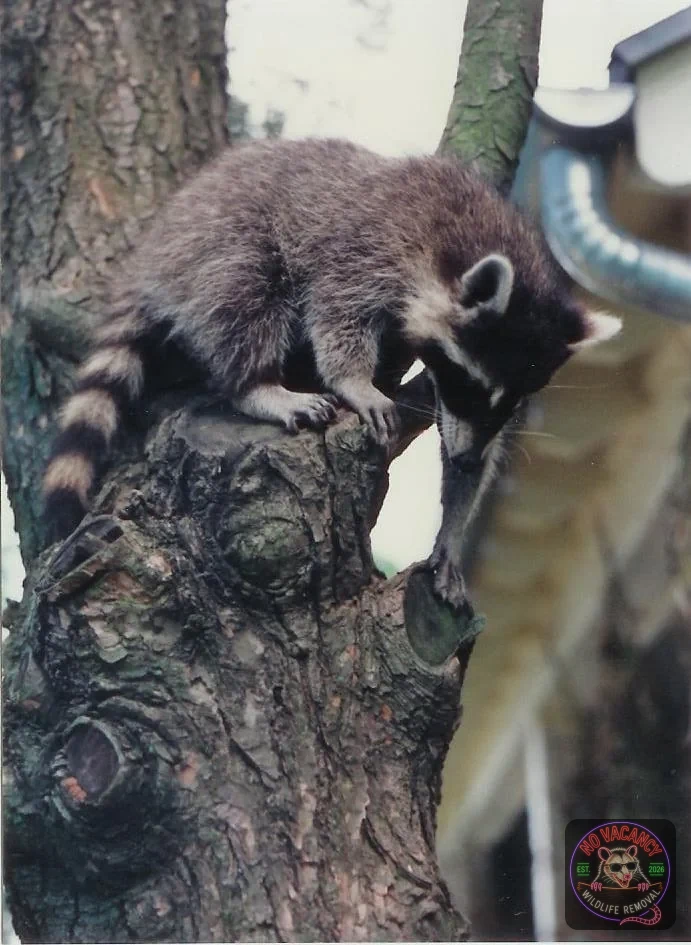
Raccoons are one of the most common ‘something is in my attic’ animals homeowners worry about. They are strong, adaptable, active at night, and very good at finding food, water, shelter, and weak spots around a house.
At-a-glance profile
Quick ID
- Common name
- Raccoons
- Scientific name
- Procyon lotor
- Most active
- Night
- Common locations
- Attics, chimneys, crawlspaces, decks, sheds, trash areas, rooflines
- Main homeowner clues
- Heavy thumping, nighttime movement, damaged vents or soffits, paw prints, droppings, trash disturbance
- Service relevance
- Removal and exclusion are often both needed
Common homeowner signs
What raccoons may leave behind
Heavy thumping, nighttime movement, damaged vents or soffits, paw prints, droppings, trash disturbance are useful starting clues, especially when the timing and location line up.
- 01Heavy, slower thumping after dark
- 02Scratching or movement near the roofline
- 03Damaged vents, soffits, or roof returns
- 04Paw prints, droppings, or repeated trash disturbance
Where they show up around homes
Around homes, raccoons may use attics, chimneys, crawlspaces, sheds, deck voids, and quiet roofline spaces as shelter. Food, water, mature trees, and weak exterior openings can all make a property more attractive.
Behavior and seasonality
Raccoons are highly adaptable and use wooded areas, suburbs, marshes, backyards, and agricultural edges when food, water, and den sites are available. Their activity is usually most noticeable after dark.
Damage they can cause
Raccoons can enlarge weak openings, damage vents, disturb insulation, contaminate attic areas, and create repeat access problems if the entry point is not corrected.
Safe next steps
Reduce the pressure without trapping wildlife inside.
Safe prevention tips
- Secure trash and remove outdoor pet food at night
- Trim branches away from the roofline where practical
- Cover vulnerable vents and inspect soffits, fascia, and roof returns
- Resolve active wildlife before permanent sealing
What not to do
- Do not corner, feed, handle, or try to scare a raccoon out of an enclosed space
- Do not seal a suspected entry hole until the activity has been resolved
When to call NO VACANCY
The animal is inside, persistent, or using the same opening.
Call NO VACANCY if you hear heavy nighttime movement in the attic, see roofline damage, find raccoon tracks or droppings, or suspect an animal is entering the structure.
Homeowner questions
Raccoons FAQ
Wildlife signs overlap. Use these answers as orientation, not a guaranteed animal identification.
Are raccoons active during the day?
Raccoons are usually more active at night, but daytime activity can happen and does not automatically mean the animal is sick.
Do raccoons get into attics?
Yes. Attics, chimneys, and roofline gaps can provide shelter if raccoons find access.
Is removal enough?
If raccoons are entering the structure, the entry point should be addressed after removal.
No overnight stays
Need help with raccoons?
Tell us where you noticed the activity, when it happens, and what damage or odor is present.